
1911 full length guide rod
Full length guide rods enhance 1911 pistol reliability and performance, offering a robust upgrade over factory components for improved recoil management and longevity․
What is a 1911 Full Length Guide Rod?
A 1911 full length guide rod is a replacement component for the pistol’s original short guide rod․ It extends to the muzzle, providing a more stable platform for the recoil spring․ This design aims to improve the pistol’s cycling, reduce felt recoil, and enhance overall reliability․ Typically constructed from steel, aluminum, or stainless steel, these rods offer a significant upgrade for enthusiasts seeking improved performance from their 1911․
Benefits of Upgrading to a Full Length Guide Rod
Upgrading to a full length guide rod offers several advantages for 1911 owners․ These include reduced recoil and muzzle flip, leading to faster follow-up shots and improved accuracy․ Enhanced reliability, particularly with different ammunition types, is another key benefit․ Furthermore, a full-length rod can contribute to a smoother cycling action and potentially extend the lifespan of the pistol’s components․

Types of 1911 Full Length Guide Rods
1911 full length guide rods come in steel, aluminum, and stainless steel variations, each offering unique properties regarding durability, weight, and corrosion resistance․
Steel Guide Rods: Durability and Cost
Steel 1911 full length guide rods are renowned for their exceptional durability and robust construction, making them a reliable choice for high-use firearms․ Typically, they represent a cost-effective upgrade option compared to other materials like titanium or stainless steel․ While potentially heavier, steel rods withstand significant stress and recoil forces․ They are a popular selection for those prioritizing longevity and affordability in their 1911’s recoil system, offering a dependable performance enhancement․
Aluminum Guide Rods: Lightweight Performance
Aluminum 1911 full length guide rods prioritize weight reduction, appealing to competitors and those seeking a lighter carry option․ They offer a noticeable decrease in reciprocating mass, potentially improving cycle time and reducing felt recoil․ While generally less durable than steel, modern aluminum alloys provide sufficient strength for typical use․ These rods are a good choice when minimizing weight is a primary concern, balancing performance with a reasonable price point․
Stainless Steel Guide Rods: Corrosion Resistance
Stainless steel 1911 full length guide rods excel in harsh environments, offering superior resistance to rust and corrosion․ This makes them ideal for concealed carry, outdoor use, or humid climates․ While slightly heavier than aluminum, stainless steel provides excellent durability and longevity․ They represent a balance between the cost of carbon steel and the enhanced protection against the elements, ensuring reliable operation over time․

Understanding the Components
A 1911 full length guide rod system comprises the rod itself, a recoil spring, and a spring plug, working together to manage recoil efficiently․
The Guide Rod Itself: Materials and Dimensions
The guide rod, central to the system, dictates overall durability and performance․ Typically constructed from steel, aluminum, or stainless steel, its dimensions—length and diameter—must precisely match the 1911’s specifications․ Steel rods offer maximum strength, while aluminum reduces weight․ Stainless steel provides corrosion resistance․ Length is crucial for proper spring alignment and function, ensuring smooth operation and reliable locking of the slide․ Precise manufacturing tolerances are essential for a proper fit․
The Recoil Spring: Spring Rates and Selection
Recoil spring selection is vital for optimal 1911 function․ Spring rates, measured in pounds, influence cycle speed and felt recoil․ Heavier springs reduce slide velocity, beneficial for heavier loads, while lighter springs suit lighter ammunition․ Full-length guide rods often include multiple springs, allowing customization․ Choosing the correct rate minimizes wear, enhances reliability, and ensures proper lockup, contributing to consistent accuracy and a smoother shooting experience․
Spring Plug: Function and Materials
The spring plug securely retains the recoil spring assembly within the 1911 slide․ Typically constructed from steel, aluminum, or stainless steel, its material impacts durability and weight․ Aluminum plugs reduce reciprocating mass, potentially improving cycle speed․ Steel offers robust strength, while stainless steel provides corrosion resistance․ Proper fit is crucial; a loose plug can cause malfunctions, emphasizing the importance of quality components․

Installation Process
Installing a full length guide rod requires basic tools and careful attention to detail, ensuring proper spring compression and secure plug retention for safe operation․
Tools Required for Installation
Essential tools for a successful 1911 full length guide rod installation include a 1911 field strip tool, or appropriate screwdrivers, to disassemble the pistol safely․ A recoil spring compressor is vital for managing spring tension․ You’ll also need a proper fitting guide rod wrench (if applicable), and potentially a punch set for removing stubborn parts․ Finally, quality gun lubricant and cleaning patches are necessary for reassembly and ensuring smooth function after installation․
Step-by-Step Installation Guide
Begin by safely disassembling your 1911, removing the slide․ Compress the recoil spring using a suitable tool, then remove the existing guide rod and spring․ Carefully insert the new recoil spring onto the full length guide rod․ Reinsert the assembly into the slide, ensuring proper alignment․ Finally, reassemble the pistol, testing function and ensuring smooth slide operation before live firing․
Safety Precautions During Installation
Always ensure the firearm is unloaded and clear before commencing any disassembly or installation․ Wear eye protection to prevent spring fragments from causing injury․ Use appropriate tools to avoid damaging components․ If unsure about any step, consult a qualified gunsmith․ Never attempt installation with a loaded magazine or round in the chamber․
Troubleshooting Common Issues
Addressing problems like binding, weak springs, or improper plug seating ensures optimal 1911 function with a full length guide rod, maintaining reliability and accuracy․
Guide Rod Binding or Sticking
Binding often stems from insufficient lubrication, improper installation, or a bent guide rod itself․ Thoroughly clean and re-grease the rod and rails․ Ensure correct alignment during installation, verifying the spring plug fully seats․ Inspect the rod for bends; replace if damaged․ A slightly tight fit initially can loosen with cycling, but persistent binding requires immediate attention to prevent malfunctions and potential damage to the pistol’s internal components․
Recoil Spring Issues: Weak or Broken Springs
A weakened recoil spring causes increased felt recoil and potential malfunctions like slide battering․ Broken springs necessitate immediate replacement; continued use risks damaging the pistol’s frame and other parts․ Regularly inspect the spring for cracks or loss of tension․ When replacing, match the spring rate to your ammunition and intended use, ensuring proper cycling and reliable operation of the 1911․
Spring Plug Not Securing Properly
A loose spring plug is a critical safety concern, potentially causing the slide to separate during firing․ Ensure the plug fully engages and locks into place; check for proper detent function․ If issues persist, inspect the plug and the receiver’s locking surfaces for damage or debris․ Replacing worn components is vital for maintaining safe and reliable 1911 operation․
Performance Enhancements
Upgraded guide rods demonstrably reduce felt recoil, improve accuracy through consistent spring pressure, and bolster 1911 reliability in challenging shooting conditions․
Reduced Recoil and Muzzle Flip
A full length guide rod significantly impacts recoil management in the 1911 platform․ By capturing recoil energy over a longer duration, it spreads the force out, lessening the immediate impact felt by the shooter․ This results in diminished muzzle flip during rapid fire, facilitating faster follow-up shots and improved control․ The increased mass and smoother spring action contribute to a more comfortable shooting experience, especially with heavier loads, ultimately enhancing accuracy and confidence․
Improved Accuracy and Consistency
Installing a full length guide rod promotes enhanced accuracy by maintaining better alignment of the barrel and slide during the recoil cycle․ This consistent lockup minimizes movement and distortion, leading to tighter groupings․ The improved spring return also contributes to repeatable performance, reducing variations between shots․ Ultimately, a quality guide rod fosters greater shot consistency, allowing for more precise and predictable results at the range or in competitive shooting scenarios․
Enhanced Reliability in Adverse Conditions
A full length guide rod significantly boosts 1911 reliability, particularly in challenging environments․ By providing a more consistent and controlled recoil spring return, it minimizes malfunctions caused by dirt, debris, or extreme temperatures․ This robust system ensures smoother operation, even with varied ammunition types or under stressful conditions, making it ideal for self-defense or duty applications where dependable performance is paramount․
Guide Rod Materials Compared
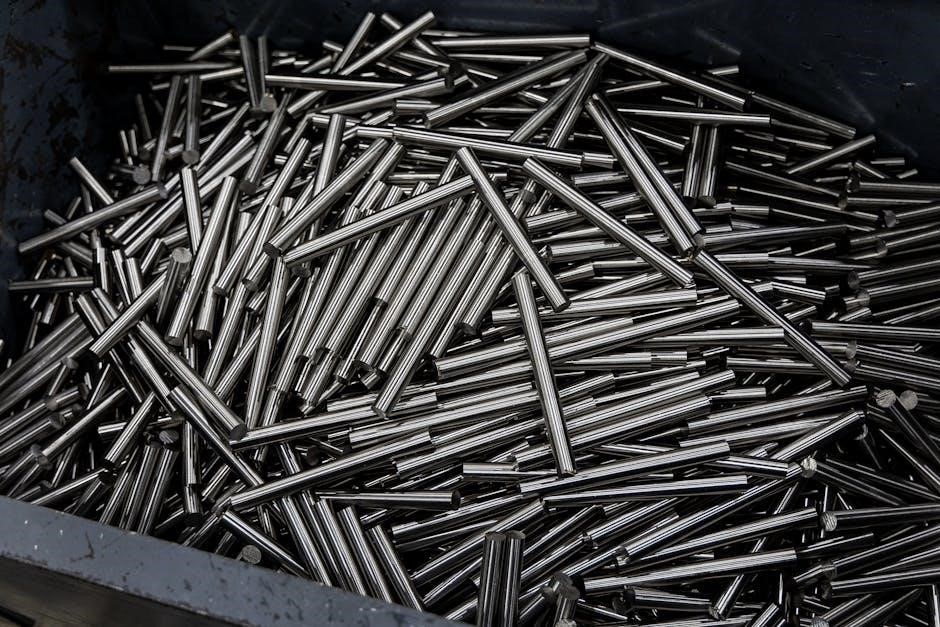
Comparing materials – steel, aluminum, and stainless steel – reveals trade-offs in durability, weight, and corrosion resistance for 1911 full length guide rods․
Steel vs․ Aluminum: A Detailed Comparison
Steel guide rods offer exceptional durability and strength, making them ideal for high-round-count shooting and demanding applications․ However, they are heavier than aluminum counterparts, potentially impacting recoil feel․ Aluminum guide rods prioritize lightweight performance, reducing reciprocating mass and potentially improving cycling speed․
While aluminum minimizes weight, it’s less durable than steel and may wear faster, especially with frequent use or harsh conditions․ Cost-wise, aluminum is generally more affordable, but steel provides a longer service life for dedicated 1911 enthusiasts․
Stainless Steel vs․ Carbon Steel: Which is Better?
Stainless steel guide rods excel in corrosion resistance, crucial for humid environments or prolonged storage․ They require minimal maintenance, retaining their appearance and function over time․ Carbon steel guide rods, while strong and affordable, are susceptible to rust and require protective coatings or frequent oiling․
Stainless steel typically costs more, but its durability and resistance to the elements often justify the investment․ Carbon steel offers a budget-friendly option, suitable for drier climates with diligent maintenance routines․
Titanium Guide Rods: High-End Performance
Titanium guide rods represent the pinnacle of 1911 upgrade options, offering an exceptional strength-to-weight ratio․ They significantly reduce reciprocating mass, potentially leading to faster cycling and reduced felt recoil․ However, this performance comes at a premium price point․
Titanium’s corrosion resistance is comparable to stainless steel, but its primary benefit lies in weight savings, appealing to competitive shooters and those prioritizing lightweight builds․
Choosing the Right Guide Rod for Your 1911
Selecting the ideal guide rod depends on your 1911’s use, ammunition, and budget; consider material, spring rate, and intended shooting style for optimal results;
Considering Your 1911’s Intended Use
Determining your 1911’s primary role is crucial․ Competition shooters prioritizing rapid fire benefit from lighter aluminum rods reducing reciprocating mass․ For heavy use, like concealed carry or rigorous training, durable steel or stainless steel rods are preferable․ A dedicated range toy may suit an aluminum option, while a hard-use pistol demands robust steel․ Consider the frequency of shooting and the types of ammunition used; heavier loads necessitate stronger guide rod materials to withstand increased stress and maintain reliable operation;
Matching Guide Rod to Ammunition Type
Ammunition weight significantly impacts 1911 recoil spring needs, and thus, guide rod selection․ Lighter target loads require lighter spring rates, often paired with aluminum rods for quicker cycling․ Heavier +P or +P+ loads demand stronger steel rods and heavier springs to manage increased recoil impulse․ Mismatched components can cause malfunctions․ Carefully assess your typical ammunition and choose a guide rod/spring combination designed to reliably cycle that specific load weight․
Budget Considerations: Finding the Best Value
1911 guide rods vary widely in price, from affordable steel options to premium titanium models․ While expensive materials offer weight savings and corrosion resistance, a quality steel or aluminum rod often provides excellent performance for less․ Prioritize reputable brands known for precise manufacturing and reliable spring rates․ Don’t overspend if your needs don’t require high-end features; focus on functionality and fit․
Top Brands and Manufacturers
Wilson Combat, EGW, and Sprinco are highly regarded 1911 guide rod manufacturers, known for precision engineering, quality materials, and enhanced pistol performance․
Wilson Combat Guide Rods
Wilson Combat offers a premium selection of 1911 full length guide rods, meticulously crafted from high-quality materials like stainless steel․ These rods are designed to improve recoil spring function and overall pistol reliability, particularly under demanding conditions․ They are known for their precise fit and finish, enhancing the shooting experience․ Wilson Combat provides various spring weight options, allowing customization for different ammunition types and shooting styles, ensuring optimal performance and longevity for your 1911․
EGW Guide Rods
EGW (Enhanced Gun Works) is a respected manufacturer of 1911 full length guide rods, celebrated for their innovative designs and commitment to quality․ Their guide rods often feature a unique flatwire recoil spring, promoting smoother cycling and reduced felt recoil․ EGW offers a range of options, including stainless steel and titanium, catering to diverse needs and budgets․ They are a popular choice for competitive shooters and enthusiasts seeking enhanced performance and reliability in their 1911 pistols․
Sprinco Guide Rods
Sprinco is renowned for its innovative recoil spring systems and full length guide rods for the 1911 platform․ They pioneered the use of composite recoil springs, offering a smoother recoil impulse and extended spring life․ Sprinco guide rods are known for their precise fit and ease of installation, improving pistol function․ They provide options for various spring weights, allowing customization for different ammunition types and shooting styles․
Maintenance and Care
Regular cleaning and lubrication are crucial for 1911 full length guide rods, ensuring smooth operation and preventing corrosion, extending the component’s lifespan․
Cleaning and Lubrication Procedures
Disassemble the guide rod carefully, cleaning all parts with a quality solvent to remove carbon buildup and old lubricant․ Inspect the rod and spring plug for any signs of wear or damage․ Apply a light coat of high-quality gun oil to the guide rod itself, ensuring even coverage․ Lubricate the spring, focusing on the contact points, and reassemble․ Avoid excessive oil, as it can attract dirt and debris, hindering function․ Regular maintenance preserves performance․
Inspecting for Wear and Tear
Regularly examine the 1911 full length guide rod for cracks, bends, or corrosion, especially on steel or aluminum components․ Check the recoil spring for loss of tension or broken coils – a weakened spring impacts function․ Inspect the spring plug for wear on its locking surfaces․ Address any issues promptly; replacement prevents malfunctions and maintains pistol reliability․ Consistent inspection extends component lifespan․
Proper Storage Techniques
When storing a 1911 with a full length guide rod, ensure the pistol is unloaded and cleaned․ Lightly lubricate the guide rod and spring to prevent corrosion․ Store in a dry, climate-controlled environment, away from extreme temperatures and humidity․ A pistol case offers protection from dust and accidental damage, preserving component integrity over time․

Advanced Considerations
Custom guide rod setups can refine trigger pull and optimize performance with compensators or suppressors, demanding careful component matching for peak 1911 function․
Impact of Guide Rod on Trigger Pull
The guide rod’s influence on trigger pull is subtle yet significant․ A heavier recoil spring, often paired with full-length rods, can slightly increase trigger pull weight․ Conversely, lighter springs reduce it․ Material choice—steel versus aluminum—also plays a role, affecting friction within the system․ Precise fitting and proper spring selection are crucial to minimize any adverse effects, ensuring a crisp, consistent trigger experience without compromising reliability or safety in your 1911․
Guide Rods and Compensators/Suppressors
When using compensators or suppressors on a 1911, guide rod selection becomes critical․ These attachments alter recoil dynamics, potentially increasing stress on the system․ A heavier full-length guide rod and appropriately weighted recoil spring are often necessary to maintain reliable cycling and prevent malfunctions․ Careful consideration of the combined weight and gas pressure is vital for optimal performance and longevity․
Customizing Your Guide Rod Setup
Tailoring your 1911’s guide rod involves matching spring rates to your ammunition and intended use․ Experimenting with different spring weights allows fine-tuning for reduced recoil, improved accuracy, and reliable ejection․ Consider the pistol’s overall weight and your grip strength when selecting components․ A gunsmith can assist in achieving the optimal setup for your specific needs and preferences․

Legal Considerations
Modifying a 1911 with a full length guide rod generally doesn’t require special licensing, but always verify local laws and warranty implications․
Compliance with Local Laws and Regulations
Before installing a 1911 full length guide rod, thoroughly research your state and local firearm regulations․ While generally considered a parts replacement and not a modification requiring permits, some jurisdictions may have specific rules regarding alterations to firearms․ Always ensure compliance to avoid legal issues․ Check for restrictions on component changes, especially if your location has stricter gun control laws․ Prioritize legal adherence for responsible firearm ownership and modification․
Modifications and Warranty Implications
Installing a 1911 full length guide rod may void your firearm’s manufacturer warranty․ Modifications, even seemingly minor ones, can be grounds for cancellation․ Carefully review your warranty documentation before proceeding․ Some manufacturers may allow aftermarket parts, but it’s crucial to confirm․ Document the original warranty terms before any alterations to protect your rights and avoid potential disputes․
Resources and Further Information
Online forums and skilled gunsmiths provide valuable insights into 1911 guide rod selection, installation, and troubleshooting for optimal performance․
Online Forums and Communities
Dedicated 1911 forums, like those on 1911Talk and M1911․org, are invaluable resources․ Experienced owners share knowledge about guide rod selection, installation tips, and troubleshooting common issues․ These communities offer detailed discussions on various brands, materials, and spring rates, helping you make informed decisions․ Gun-related subreddits also provide a platform for asking questions and learning from others’ experiences, fostering a collaborative environment for 1911 enthusiasts․
Gunsmithing Services
Professional gunsmiths offer expert 1911 guide rod installation, ensuring proper fitting and function․ They can diagnose existing issues, recommend optimal components for your specific pistol, and perform necessary modifications․ Utilizing a qualified gunsmith is crucial if you lack experience or are uncomfortable disassembling your firearm․ They guarantee safe and reliable operation, avoiding potential malfunctions or damage during the upgrade process․