gallstones diet sheet pdf
Gallstones Diet Sheet: A Comprehensive Guide
Navigating gallbladder health requires informed dietary choices; downloadable PDF guides from Google Maps’ help center and official sources offer crucial support and direction.
Understanding Gallstones & Diet
Gallstones form when bile, a digestive fluid, hardens into deposits within the gallbladder, often due to incomplete draining. Dietary choices significantly impact gallstone formation and management, influencing bile composition and gallbladder function. Resources like Google Maps’ official help center, alongside dedicated health websites, provide downloadable PDF diet sheets offering structured guidance.
These sheets typically detail foods to avoid – high-fat items, refined carbohydrates, and processed foods – and those to embrace, such as fiber-rich options, lean proteins, and antioxidant-packed fruits and vegetables. Understanding the connection between diet and gallbladder health empowers individuals to proactively manage their condition and potentially prevent future complications. Accessing these PDF guides facilitates a tailored approach to dietary modification.
What are Gallstones?
Gallstones are solidified deposits that develop within the gallbladder, a small organ crucial for digestion. They arise when bile, containing cholesterol, bilirubin, and bile salts, doesn’t drain completely, leading to crystallization. These stones vary in size and composition, potentially causing significant discomfort.
Information regarding gallstones and dietary management is readily available through resources like Google Maps’ support channels and specialized health websites, often in downloadable PDF format. These guides explain the link between dietary factors – particularly fat intake – and gallstone formation. Understanding the underlying mechanisms helps individuals make informed choices, potentially mitigating symptoms and preventing further stone development. Accessing a comprehensive PDF diet sheet is a vital first step.
The Role of Diet in Gallstone Formation
Diet significantly influences gallstone development, particularly through its impact on bile composition. High-fat diets stimulate gallbladder contraction, potentially contributing to sludge formation if bile isn’t efficiently emptied. Conversely, rapid weight loss and prolonged fasting can increase cholesterol concentration in bile, fostering crystallization.
Detailed gallstone diet sheets, often available as PDFs from resources like Google Maps’ help center and official medical websites, emphasize the importance of balanced nutrition. These guides highlight how refined carbohydrates and processed foods exacerbate the issue. Understanding these dietary connections empowers individuals to proactively manage their gallbladder health and potentially prevent future stone formation through informed food choices and lifestyle adjustments.
Foods to Avoid with Gallstones
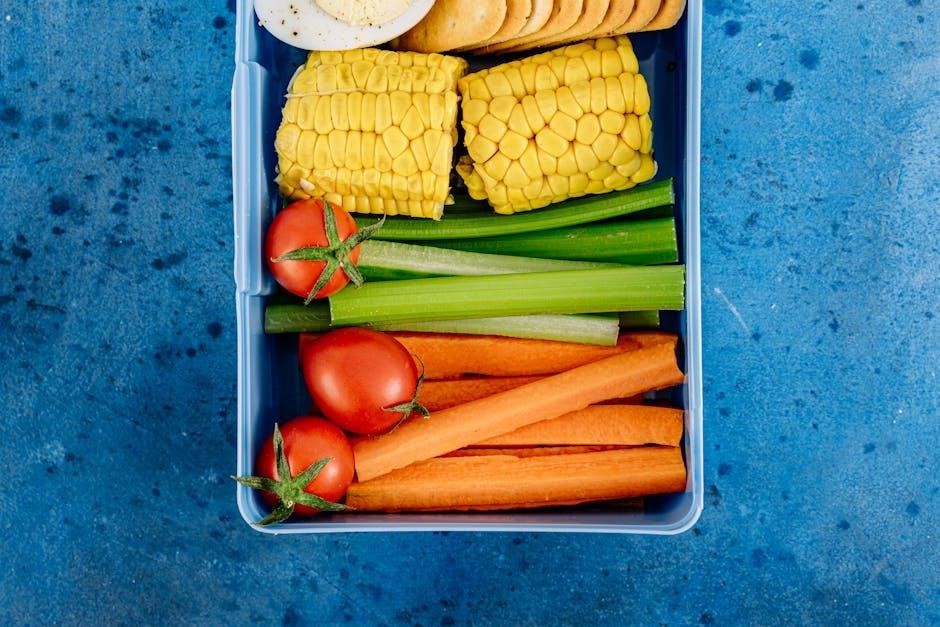
Individuals prone to gallstones should limit foods that trigger gallbladder contractions or negatively impact bile composition. High-fat foods, including fried items and fatty meats, are primary culprits, as they demand increased bile production. Refined carbohydrates and sugary drinks contribute to cholesterol imbalances, promoting stone formation.
Comprehensive gallstone diet sheets, often found as downloadable PDFs through resources like Google Maps’ support pages and medical institutions, detail these restrictions. Processed foods, laden with unhealthy fats and additives, should also be minimized. Adhering to these guidelines, as outlined in these resources, can significantly reduce discomfort and potentially prevent future gallbladder issues, supporting overall digestive wellbeing.
High-Fat Foods & Gallbladder Stimulation
High-fat meals are a significant trigger for gallbladder activity, prompting it to contract and release bile to aid digestion. For those with gallstones, this stimulation can cause pain and discomfort as stones may obstruct bile ducts. Detailed gallstone diet sheets, accessible as PDFs via resources like Google Maps’ help center, emphasize limiting these foods.
Foods to avoid include fried foods, fatty cuts of meat, full-fat dairy, and heavily processed snacks. These resources often provide alternative, lower-fat options; Understanding this connection between fat intake and gallbladder function, as detailed in these downloadable guides, is crucial for managing symptoms and preventing complications.
Refined Carbohydrates & Sugar Intake
Excessive intake of refined carbohydrates and sugars can contribute to gallstone formation by increasing triglyceride levels and potentially hindering bile flow. Gallstone diet sheets, often available as downloadable PDFs through resources like Google Maps’ support channels, highlight the importance of minimizing these components.
Foods to limit include white bread, pastries, sugary drinks, and processed sweets. These resources frequently suggest prioritizing complex carbohydrates like whole grains and natural sugars from fruits in moderation. Understanding this link, as detailed in these guides, empowers individuals to make informed dietary choices for gallbladder health and symptom management.
Processed Foods & Their Impact
Highly processed foods often contain unhealthy fats, refined carbohydrates, and additives that can exacerbate gallbladder issues and contribute to gallstone development. Downloadable gallstone diet sheets, accessible through online resources like Google Maps’ official help center, consistently emphasize limiting these items.
These PDFs typically advise against frequent consumption of fast food, pre-packaged snacks, and heavily processed meals. They often explain how these foods can disrupt bile acid metabolism and increase inflammation. Prioritizing whole, unprocessed foods is a cornerstone of a gallbladder-friendly diet, as detailed in these readily available guides, promoting better digestive health.
Foods to Include in a Gallstone Diet
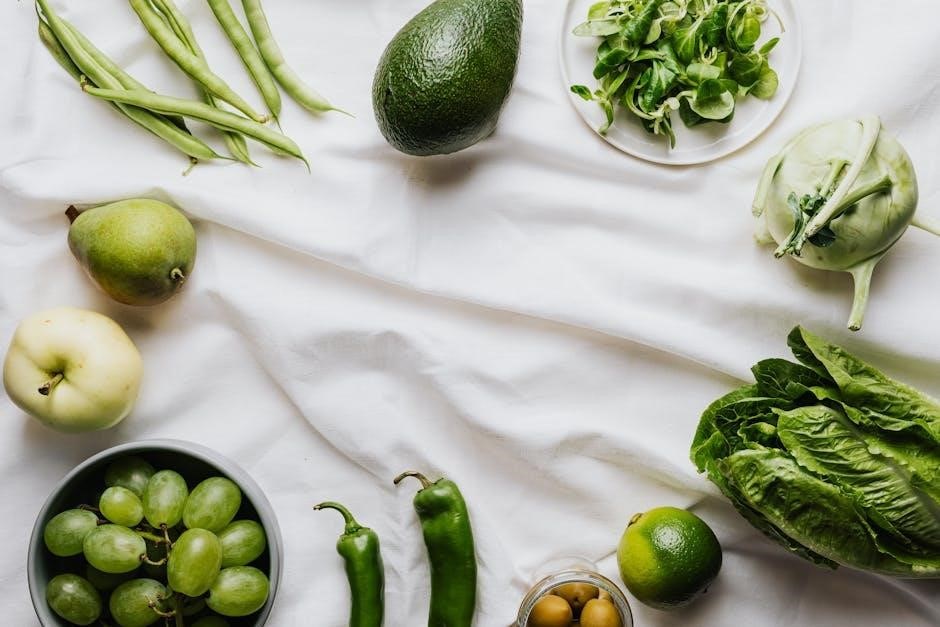
Gallstone diet sheets, often found as downloadable PDFs via resources like Google Maps’ support pages, strongly advocate for incorporating fiber-rich foods to aid bile acid binding and elimination. These guides highlight fruits, vegetables, and whole grains as essential components.
Lean protein sources, crucial for overall health, are also recommended, supporting digestion without overburdening the gallbladder. Detailed PDFs emphasize antioxidant-rich foods to combat inflammation. These resources consistently suggest a diet abundant in these beneficial foods, promoting optimal gallbladder function and potentially preventing future stone formation, offering a proactive approach to digestive wellness.
Fiber-Rich Foods for Bile Acid Binding
Downloadable gallstone diet sheets, accessible through resources like Google Maps’ official help center, consistently emphasize the pivotal role of fiber in managing gallbladder health. Fiber-rich foods actively bind to bile acids in the digestive tract, preventing their reabsorption and encouraging their excretion.
This process reduces cholesterol levels, a key factor in gallstone formation. PDFs detail excellent sources like fruits, vegetables, legumes, and whole grains. Prioritizing these foods supports healthy bile flow and minimizes the risk of stone development, offering a natural approach to gallbladder wellness as outlined in these comprehensive guides.
Fruits & Vegetables: Antioxidant Power
Gallstone diet sheets, often found as downloadable PDFs via resources like Google Maps’ support pages, highlight the significant benefits of fruits and vegetables due to their potent antioxidant content. These compounds combat oxidative stress and inflammation, both contributing factors to gallstone development.
Specifically, PDFs recommend colorful produce – berries, leafy greens, and citrus fruits – rich in Vitamin C and other protective nutrients. These foods support liver function and bile production, promoting overall gallbladder health. Incorporating a variety of fruits and vegetables is a cornerstone of a gallstone-friendly diet, as detailed in these guides.
Lean Protein Sources & Digestion
Downloadable gallstone diet sheets, accessible through resources like Google Maps’ official help center, emphasize the importance of lean protein for optimal digestion and gallbladder function. These PDFs advise prioritizing sources like fish, poultry (skinless), beans, and lentils over high-fat meats.
Lean proteins are easier to digest, reducing the workload on the gallbladder and minimizing the stimulation needed to release bile. Proper digestion is crucial for preventing bile stasis, a key factor in gallstone formation. Diet sheets often provide specific serving sizes and preparation methods to maximize benefits and avoid exacerbating symptoms, supporting overall digestive wellness.
Specific Dietary Approaches
Gallstone diet sheets, often found as downloadable PDFs via resources like Google Maps’ support pages, detail several dietary strategies for managing the condition. The low-fat diet is consistently recommended, aiming to reduce gallbladder stimulation and bile buildup.
Many sheets also explore the benefits of the Mediterranean diet, rich in fruits, vegetables, and healthy fats, promoting overall health and potentially reducing gallstone risk. Cautionary notes regarding intermittent fasting are frequently included, as rapid weight loss can sometimes increase gallstone formation. These PDFs provide a structured approach, guiding individuals towards informed dietary choices for gallbladder health.
The Low-Fat Diet for Gallstones
Downloadable gallstone diet sheets, accessible through resources like Google Maps’ official help center, consistently emphasize a low-fat dietary approach as foundational for management. This strategy minimizes gallbladder contraction, reducing the pressure that contributes to stone formation and discomfort.
PDF guides typically recommend limiting total fat intake to 30% or less of daily calories, focusing on avoiding fried foods, fatty meats, and full-fat dairy. They often detail specific serving sizes and suggest healthier cooking methods like baking or steaming. Adhering to these guidelines, as outlined in the PDF resources, can significantly alleviate symptoms and support gallbladder health;
Mediterranean Diet & Gallbladder Health
Many gallstone diet sheets, often available as downloadable PDFs from resources linked through platforms like Google Maps’ support pages, highlight the benefits of a Mediterranean-style eating plan. This approach emphasizes plant-based foods, healthy fats, and lean proteins, promoting optimal gallbladder function.
PDF guides detail incorporating olive oil, fruits, vegetables, and fish rich in omega-3 fatty acids. These components possess anti-inflammatory properties, potentially reducing gallbladder inflammation and supporting bile flow. The diet’s focus on fiber also aids in bile acid binding, minimizing stone formation. Resources suggest this dietary pattern offers a sustainable and flavorful path to gallbladder wellness.
Intermittent Fasting & Gallstone Management (Caution Advised)
Gallstone diet sheets, frequently found as downloadable PDFs through online health resources and navigational aids like Google Maps’ information centers, often address intermittent fasting (IF) with significant caution. While some proponents suggest IF may aid weight management – a factor in gallstone risk – it’s not universally recommended.
PDF guides emphasize that prolonged fasting can reduce gallbladder stimulation, potentially leading to bile stasis and increased stone formation risk. Individuals with existing gallstones should consult a doctor before attempting IF. Resources stress prioritizing consistent, balanced meals over restrictive fasting schedules for optimal gallbladder health and avoiding potential complications.
Hydration & Gallstone Prevention
Comprehensive gallstone diet sheets, often available as downloadable PDFs from resources linked through platforms like Google Maps’ assistance centers, consistently highlight the critical role of adequate hydration in preventing gallstone formation. Sufficient water intake is paramount for maintaining healthy bile composition and facilitating its flow through the gallbladder and bile ducts.
These guides typically recommend aiming for at least eight glasses of water daily, emphasizing that dehydration can concentrate bile, increasing the risk of sludge and stone development. Proper hydration supports overall digestive function and helps prevent the precipitation of cholesterol, a key component of many gallstones, as detailed in official medical resources.
The Importance of Water Intake
Gallstone diet sheets, frequently found as downloadable PDFs via support resources like Google Maps’ help center, universally stress the significance of ample water consumption for gallbladder health. Maintaining optimal hydration is crucial because water helps dilute bile, reducing its concentration of cholesterol and bilirubin – key components of gallstone formation.
These guides often recommend drinking eight or more glasses of water daily, promoting consistent bile flow and preventing stagnation. Dehydration concentrates bile, increasing the likelihood of sludge and stone development, as explained in official medical documentation. Proper hydration also aids digestion and supports the liver’s function in processing fats.
Sample Gallstone Diet Meal Plan (1 Day)
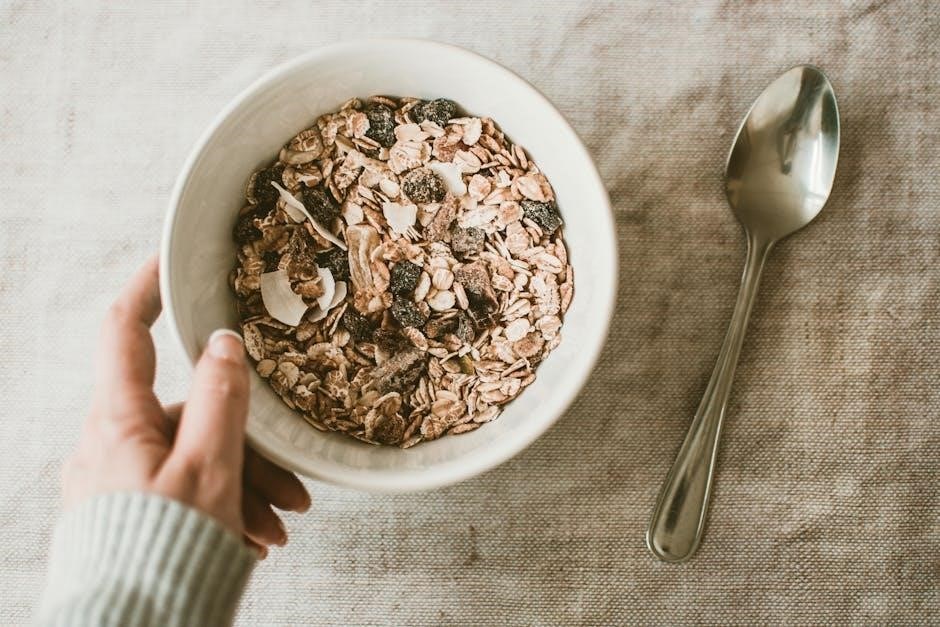
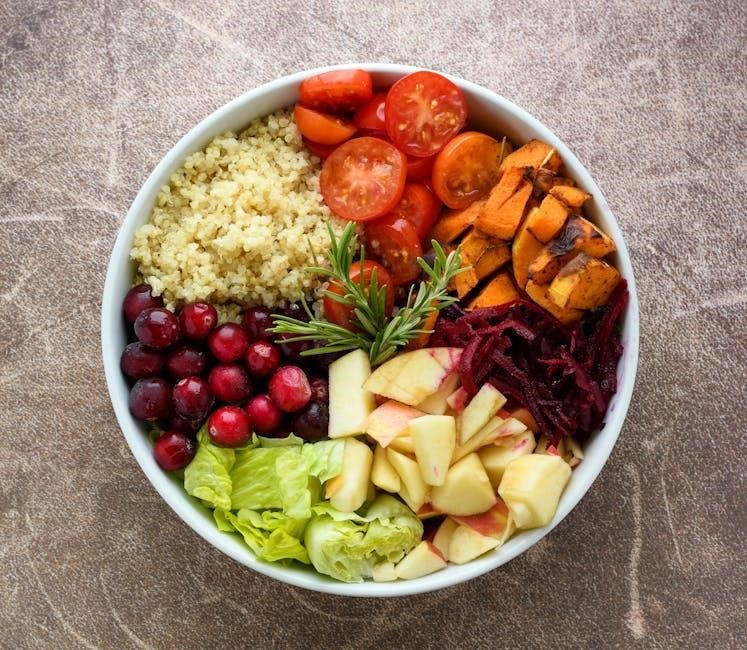
Many gallstone diet sheets, available as downloadable PDFs from resources like Google Maps’ assistance pages, provide sample meal plans to illustrate practical application. A typical day might begin with oatmeal and berries for breakfast, prioritizing fiber.
Lunch could feature grilled chicken salad with mixed greens and a light vinaigrette, emphasizing lean protein and vegetables. Dinner might consist of baked fish with steamed broccoli and quinoa, continuing the focus on low-fat, nutrient-rich foods. Snacks should include fruits like apples or pears. These plans consistently avoid fried foods, refined sugars, and excessive fats, mirroring recommendations found in official health guides.
Breakfast, Lunch & Dinner Suggestions
Downloadable gallstone diet sheets, often linked through Google Maps’ support resources, detail specific meal ideas for each time of day. For breakfast, consider poached eggs with spinach or whole-wheat toast with avocado – prioritizing lean protein and healthy fats.
Lunch options include lentil soup with a side salad or turkey breast on whole-grain bread. Dinner suggestions frequently feature baked salmon with roasted vegetables or chicken stir-fry with brown rice. These plans consistently emphasize fiber-rich foods, lean proteins, and avoidance of high-fat, processed items, aligning with recommendations in comprehensive PDF guides;
Supplements & Gallbladder Support (Consult a Doctor)
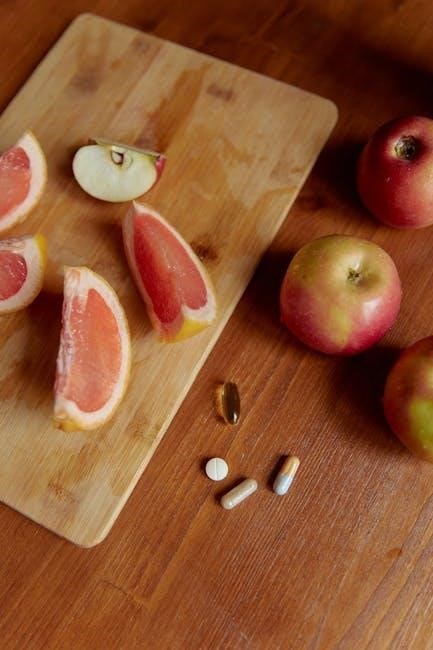
Many gallstone diet sheets, accessible via resources linked through Google Maps’ help center, mention potential supportive supplements, but always prioritize a doctor’s consultation. Artichoke extract is often cited for promoting bile flow, potentially aiding digestion and reducing stone formation.
Turmeric, with its anti-inflammatory properties, may also offer benefits. However, these are supplements, not replacements for medical advice. PDF guides emphasize that individual needs vary, and self-treating can be harmful. Always discuss any supplement regimen with a healthcare professional before starting, ensuring it aligns with your specific health profile and treatment plan.
Artichoke Extract & Bile Flow
Numerous gallstone diet sheets, often found as downloadable PDFs through resources linked via Google Maps’ support pages, highlight artichoke extract’s potential benefits. It’s believed to stimulate bile production, crucial for fat digestion and preventing bile concentration – a key factor in gallstone formation.

Increased bile flow can help dissolve existing cholesterol stones, though this isn’t a guaranteed outcome. PDF guides caution that artichoke extract isn’t a cure-all and should complement, not replace, a doctor-approved diet and treatment plan. Always discuss its use with a healthcare professional to ensure it’s safe for your individual health situation.
Turmeric & Anti-Inflammatory Properties
Many gallstone diet sheets available as PDFs – often linked through Google Maps’ official help center and related health websites – emphasize turmeric’s role in reducing inflammation. Its active compound, curcumin, possesses potent anti-inflammatory properties, potentially easing gallbladder discomfort and supporting overall digestive health.
While not a direct gallstone dissolver, reducing inflammation can alleviate symptoms and potentially slow stone growth. PDF resources typically recommend incorporating turmeric into meals or considering curcumin supplements, after consulting a doctor. Remember, turmeric can interact with certain medications, so professional guidance is essential.
When to Seek Medical Attention
Gallstone diet sheets, frequently available as downloadable PDFs via resources linked through Google Maps’ support pages, consistently stress the importance of recognizing warning signs requiring immediate medical attention. While dietary adjustments can manage symptoms, they aren’t a substitute for professional care;
Severe abdominal pain, fever, chills, jaundice (yellowing of skin/eyes), or persistent nausea and vomiting necessitate prompt evaluation. These symptoms could indicate complications like cholecystitis (gallbladder inflammation) or cholangitis (bile duct infection). PDF guides emphasize that self-treating serious symptoms can be dangerous; immediate medical intervention is crucial for proper diagnosis and treatment.
Symptoms Requiring Immediate Care
Downloadable gallstones diet sheets, often accessible through Google Maps’ help resources and official medical websites, consistently highlight critical symptoms demanding immediate medical attention. Ignoring these could lead to severe complications.
Intense, unrelenting abdominal pain – particularly in the upper right quadrant – is a key indicator. Accompanying fever, chills, or a rapid heartbeat signal a potential infection. Jaundice, characterized by yellowing of the skin and eyes, suggests a blocked bile duct. Nausea, vomiting, and dark urine also warrant urgent care. PDF guides emphasize that these aren’t typical gallstone discomforts and require prompt diagnosis and treatment to prevent serious health risks.
Resources & Further Information (PDF Links)
Numerous downloadable gallstones diet sheets in PDF format are available via official Google Maps support centers and reputable medical websites, offering comprehensive guidance. These resources consolidate essential information for effective gallbladder health management.
Links to PDFs from organizations like the National Institute of Diabetes and Digestive and Kidney Diseases (NIDDK) provide detailed dietary recommendations. Google Maps’ help sections often direct users to trusted health portals. These documents typically outline foods to avoid, beneficial dietary inclusions, and sample meal plans. Accessing these PDFs empowers individuals to proactively manage their condition, supplementing advice from healthcare professionals with readily available, evidence-based information.
Reliable Websites for Gallstone Information
For accurate and up-to-date information regarding gallstones and dietary management, several websites stand out as trustworthy resources, often hosting downloadable PDF diet sheets. The National Institute of Diabetes and Digestive and Kidney Diseases (NIDDK) provides extensive details on gallbladder diseases and treatment options.
Mayo Clinic and Cleveland Clinic websites offer comprehensive articles, including dietary guidelines and potential complications. Google Maps’ official help center, while primarily a navigation tool, links to health information sources. These platforms present evidence-based advice, ensuring individuals access reliable data to support informed decisions about their health, complementing any PDF diet sheet they may utilize.
Downloadable Gallstones Diet Sheets (PDF Format)
Numerous organizations offer convenient, downloadable PDF gallstone diet sheets to aid in managing symptoms and preventing future occurrences. Many hospital systems, like the Cleveland Clinic and Mayo Clinic, provide detailed guides outlining foods to avoid and incorporate.
Searching online for “gallstone diet PDF” yields results from reputable health websites and patient advocacy groups; These sheets typically categorize foods based on their impact on gallbladder function, offering meal planning suggestions. Remember to verify the source’s credibility before relying on any dietary advice found in a PDF format, ensuring it aligns with your doctor’s recommendations.
This gallstones diet sheet information is for general knowledge and informational purposes only, and does not constitute medical advice. It is essential to consult with a qualified healthcare professional for any health concerns or before making any decisions related to your health or treatment.
The downloadable PDF resources mentioned are supplementary tools and should not replace personalized medical guidance. Individual responses to dietary changes vary, and what works for one person may not work for another. Always prioritize your doctor’s recommendations and tailor your diet accordingly. Self-treating can be dangerous; professional medical advice is crucial.